A Guide to the Different Types of Bath
Choosing the right bath means balancing style and budget. Get it wrong and it dominates your bathroom for the wrong reasons. Get it right and it becomes the centrepiece your space deserves. This guide covers the main bath styles, materials and what to consider before you commit.
- Styles of Bath
- Types of Bath Material
- How to Choose the Right Bath for You
- How GK Plumbing Can Help with Your Bathroom
What Are the Different Styles of Bath?

There are many styles of bath that you can choose from when renovating your bathroom. Selecting the right bath will depend on the space you have available, the shape of your bathroom and of course, your personal preference.
Freestanding bath:
The most sought-after style for a reason. A freestanding bath sits away from all walls, giving you full access from every side. It makes a strong visual statement. Ideal if your bathroom has the floor space to support it.
Best for:
- Larger bathrooms
- Statement centrepieces.
Shower bath:
A practical two-in-one solution. A shower bath combines a full-length bath with an overhead shower, usually fitted with a screen or curtain. It’s the go-to choice for households with one bathroom that need both options.
Best for:
- Family bathrooms
- Maximising functionality.
Single-ended bath:
The classic, everyday bath. Taps and drain sit at one end, with the opposite end sloping up for you to recline against. Simple and widely available in a range of sizes.
Best for:
- Most standard bathrooms
- Straightforward replacements.
Double-ended bath:
A more symmetrical design, with taps and drain positioned centrally and both ends curving upward. Two people can use it comfortably from either side, and it has a cleaner, more considered look than a single-ended.
Best for:
- Couples
- Larger bathrooms
- A more elegant aesthetic.
Corner bath:
Designed to fit flush into a corner, with two sides against the walls. Often larger in the bathing area than they appear from the outside. A smart solution for bathrooms with an awkward layout or unusable corner space.
Best for:
- Smaller or oddly shaped bathrooms
- Maximising floor space.
What Are the Most Common Bath Materials?

Whilst baths can be manufactured from a variety of materials, we’ve chosen three of the most popular choices to discuss:
Acrylic baths:
Acrylic is the most popular bath material in the UK, and for good reason. Acrylic is lightweight, warm to the touch, retains heat well and is easy to clean. It comes in a wide range of shapes and sizes, and sits at a lower price point than other materials.
Best for:
- Most bathrooms
- Budget-conscious renovations
- Ease of maintenance
Steel baths (enamel-coated):
A steel bath is a step up in quality and weight. Steel baths are coated with enamel, giving a smooth, hard-wearing finish that resists scratching better than acrylic. They feel more solid underfoot and tend to last longer. However, they come at a higher cost and need proper floor support due to their weight.
Best for:
- Mid-to-high budgets
- A more premium feel
Stone baths:
Stone baths (typically cast from stone resin or natural stone) are the premium end of the market. They’re exceptionally durable, retain heat longer than any other material and bring a genuinely luxurious look to a bathroom. Maintenance is low once installed, though installation requires structural consideration due to their weight.
Best for:
- High-end renovations
- Freestanding statement baths
- Long-term investment
How Do You Choose the Right Bath for Your Bathroom?
Four things to nail down before you buy a new bath:
Size:
Measure your bathroom carefully, including door swing and access routes. A bath that doesn’t fit through the door is a common and costly mistake. Standard UK bath length is 1700mm, but shorter and longer options exist.
Shape:
Match the bath shape to your room. Rectangular baths suit most layouts. Corner baths work well in square rooms or awkward spaces. Freestanding baths need clear floor space on at least three sides.
Budget:
Factor in the full cost. The bath itself, taps, time of year, installation and any structural work. Acrylic is the most affordable entry point; stone resin the most expensive. Mid-range steel sits comfortably between the two.
Style:
Think about the wider look of your bathroom; consider everything from titles to lighting. A roll-top freestanding bath suits a traditional aesthetic. A sleek double-ended bath suits contemporary interiors. Your bath should complement (not fight) the rest of the room.
How GK Plumbing can Help with your Bathroom
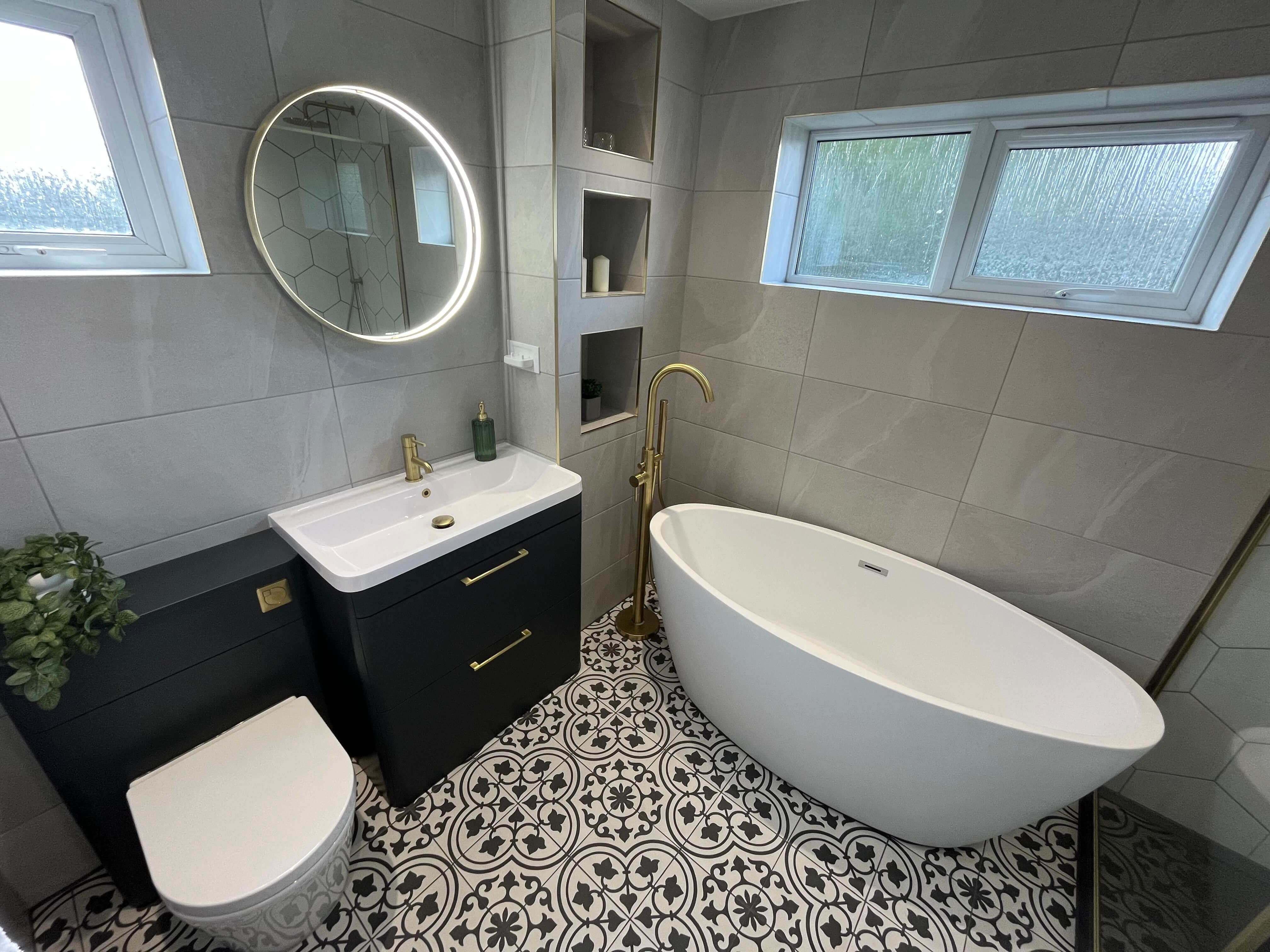
Picking the right bath is only part of the job. Fitting it correctly is what makes it last. At GK Plumbing, we handle full and minor bathroom renovations across Aylesbury, Milton Keynes, Oxford, High Wycombe, St Albans and the surrounding areas.
Contact us today for expert advice and a free quote.