

What Counts as a Plumbing Emergency?
Plumbing problems are never convenient. A dripping tap or slow-draining sink can usually wait a day or two. But some issues require immediate attention to prevent damage, health risks or serious disruption. But what actually counts as a plumbing emergency?
Understanding the difference between a routine plumbing issue and a genuine emergency can help you act quickly, helping to protect your property and avoid costly repairs.
When is a Plumbing Issue an Emergency?
A plumbing emergency is any situation that:
- Puts your health or safety at risk
- Causes significant water damage
- Stops you from accessing essential services like water or heating
- Has the potential to worsen rapidly
If you’re unsure, it’s always better to seek professional advice. Acting early can often prevent a small issue from becoming a major one.
What are Common Plumbing Emergencies?
1. Burst Pipes
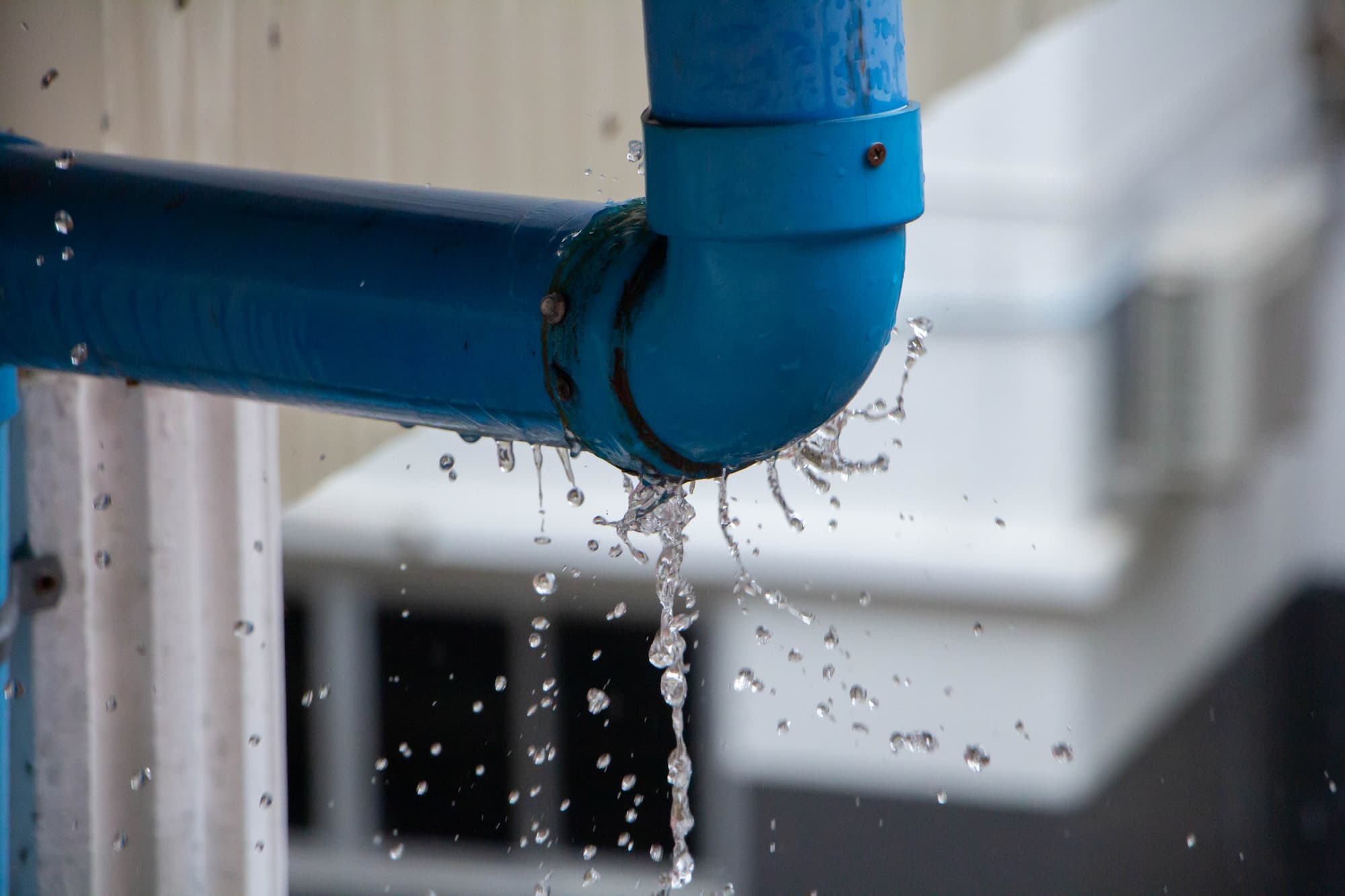
A burst pipe is one of the most serious plumbing emergencies. Water can spread quickly, damaging floors, ceilings, walls and electrics.
What to do:
Turn off your water supply at the stopcock immediately and, if safe, switch off electricity in the affected areas. Then contact our team straight away and we’ll send out one of our experts.
2. Major Leaks or Flooding
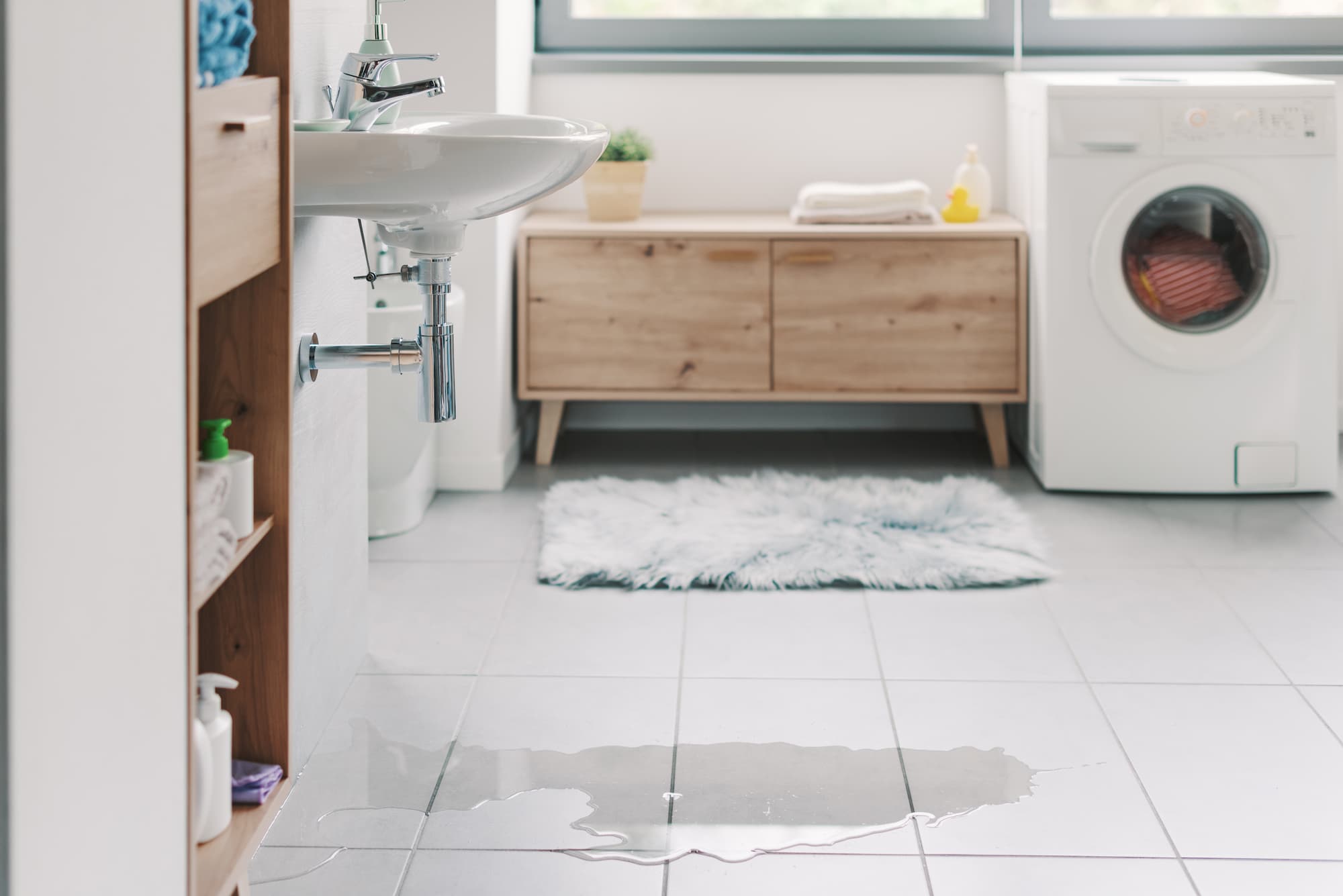
Whilst a small leak under your sink may be manageable in the short term, heavy water flow or internal flooding requires urgent attention.
Signs include:
- Water pooling on floors
- Water stains spreading on ceilings
- Rapid water pressure drops
If ignored or left unresolved, this flooding can cause long-term structural damage and mould growth.
3. No Hot Water or Heating (In Winter)
Losing heating or hot water during colder months can quickly become more than just inconvenient. This is especially important to keep track of in homes with children, elderly residents or vulnerable people.
If your boiler stops working completely, this may qualify as an emergency, particularly during freezing temperatures. If you’re worried about the impacts, call our team and we can help reassure you or address the issues head on.
4. Blocked Toilets
A blocked toilet may not seem urgent at first. However, if it’s your only toilet and it’s overflowing or unusable, this becomes an emergency situation. If you have more than one toilet, we would still recommend having an expert take a look. Because the only thing worse than having one blocked toilet is having two blocked toilets!
If your toilet is overflowing with wastewater, this can pose serious hygiene risks and should be dealt with as soon as possible.
5. Gas Leaks
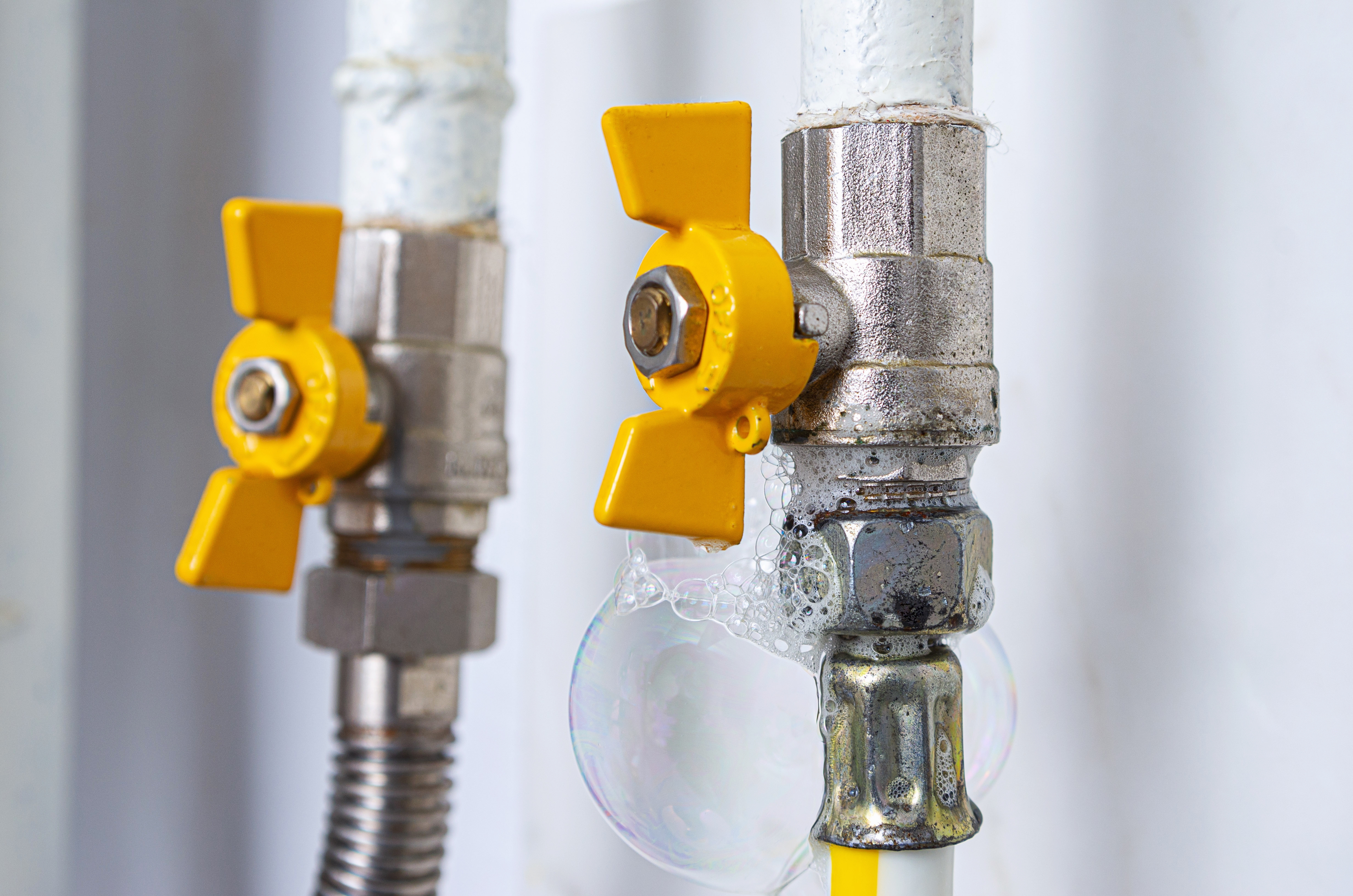
Although technically related to heating rather than plumbing alone, suspected gas leaks are always emergencies.
Warning signs include:
- A strong rotten egg smell
- Hissing sounds near gas appliances
- Physical symptoms such as dizziness or nausea
If you suspect a gas leak, turn off the gas supply if safe to do so, evacuate the property and contact emergency services immediately. Not all gas leaks are visible or odoriferous, so it’s important to have your gas appliances regularly inspected to spot any warning signs.
What is Not Usually a Plumbing Emergency?
Some plumbing issues can typically wait for a scheduled appointment, such as:
- Dripping taps
- Slow drains (without overflow)
- Minor radiator cold spots
- Low water pressure
While these problems shouldn’t be ignored, they rarely require immediate call-outs unless they worsen.
When in Doubt, Call GK Plumbing & Heating
If you’re unsure whether your issue counts as a plumbing emergency, it’s always safest to seek professional advice. At GK Plumbing, we understand how stressful unexpected plumbing issues can be. Our experienced team can quickly assess the situation and advise on the safest and most cost-effective solution.
If you’re facing a plumbing emergency, contact our team straight away. We’re here to help restore safety, comfort and peace of mind as quickly as possible.


